Saturday, July 17, 2010

Why Eating Mushrooms Can Have a Positive Impact on Health


Mushrooms have been used for centuries for their healing properties. Discover just what they have to offer in terms of nutrition and health.

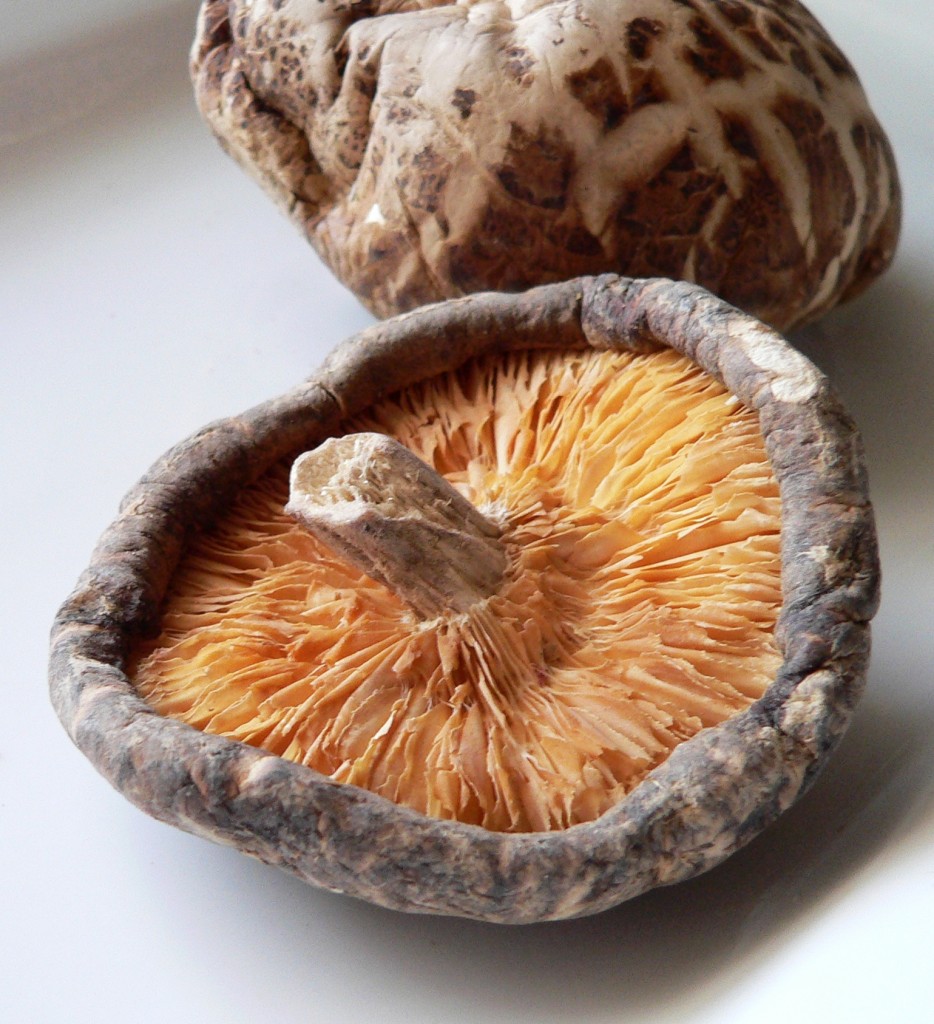
Mushrooms may not be all that impressive to look at, but they more than make up for their appearance with their incredible nutritional profile. Research continues to serve up impressive discoveries about just what this fungi has to offer.
Healthy Contents of Mushrooms

Mushrooms have rich stores of many vitamins, minerals, antioxidants, and even antibiotics! They contain vitamins A, B,C, and D, iron, calcium, potassium, and copper, and are the best source of selenium for vegetarians.

Mushrooms are naturally fat and cholesterol free, contain very few carbohydrates, and are a good source of lean protein. They are also a good source of fiber; their makeup consists of between 80-90% water and of the 10% dry weight between 8-10% of that is fiber.

It's no surprise that with such an impressive array of nutrients mushrooms have been linked to many positive health benefits. Here are just a few of the positive ways mushrooms can impact health conditions and why.

Mushrooms contain eritadenine, a compound that helps to reduce blood cholesterol. Fibers found in mushrooms, like chitin, can also help in lowering cholesterol.

Cardiovascular heath can be improved by eating mushrooms due to the beta-gluten they contain. The copper in mushrooms can also protect and improve the health of the heart. Mushrooms are also an excellent source of potassium, which lowers blood pressure.

Mushrooms are a great choice for diabetics, as they contain natural enzymes that help the body break down sugar and starch as well as compounds that aid the function of the liver and pancreas.

As a natural source of antibiotics (penicillin comes from mushrooms), mushrooms can greatly enhance the immune system. The Shiitake mushroom contains lentinan, a beta-glucan that stimulates the immune system. Mushrooms have also been found to contain ergothioneine, an antioxidant that protects against free-radicals. Vitamins A, B, and C as well as copper also help to boost immune function.

Mushrooms also have cancer-fighting properties. They inhibit the activity of specific enzymes (aromataste and 5-alpha-reductase) that have been linked to breast and prostate cancer. Rich stores of selenium work together with vitamin E found in mushrooms to protect against free-radicals. In addition to this, the presence of beta-glucans and linoleic acid in mushrooms provide anti-carcinogenic effects.

As a source of food for the weight-conscious, mushrooms are an excellent choice. Fat and cholesterol free, low in carbohydrates, and high in fiber and protein, mushrooms provide necessary nutrients while boosting metabolism.

Mushrooms are increasingly easy to find in local supermarkets and quite easy to prepare. Go ahead and try some today!

First published Jul 13, 2010 Sarah Lantz

Sources:

organicfacts.net, "Health Benefits of Mushroom" (July 12, 2010)

healthcastle.com, "Medicinal Mushrooms: Health Benefits Include Cancer Fighting, Cholesterol Lowering and More!" (July 12, 2010)

vegetarian-nutrition.info, "Health Benefits of Mushrooms" (July 12, 2010)

health.pon.net, "Mushrooms and Health" (July 12, 2010)

medicalnewstoday.com, "The Nutritional Benefits of Mushrooms" (July 13, 2010)

lifestyle.iloveindia.com, "Benefits of Mushrooms" (July 13, 2010)

lifemojo.com, "Health Benefits of Mushroom" (July 13, 2010)

Friday, July 16, 2010

Top Two Health Benefits of Whole Grains


Compared with refined grains, whole grains have more nourishing nutrients that provide top health benefits for both diseases prevention and for weight loss.

All kinds of grains are excellent sources of complex carbohydrates, fiber, plant enzymes, various vitamins and minerals, and are naturally low in fat. However, whole grains, as grains that haven’t been refined, are better options for one’s healthy diet.

In 2005, the government of the United States thought highly of the health benefits of whole grains, it added them to the U.S. Dietary Guidelines. When comparing the nutritional content of a whole grain to one that is refined or processed, nutritionists always prefer the former and advise people to eat whole grains as often as possible.

The Difference between Whole Grains and Refined Grains

Whole grains have three edible parts, each with its own nourishing substances:

1. Endosperm. The endosperm is the inner part of the kernel. It is starchy and basically all carbohydrate. It has a duty to provide stored energy for the germ.
2. Germ. The germ is the reproductive kernel. It is high in nutrients, including B vitamins, vitamin E, zinc, iron, copper, selenium, magnesium, unsaturated oils, and other minerals.
3. Bran. The bran is the grain’s outer layer and rich in fiber. Miriam Nelson, Ph.D. – author of a series of health books for women – states that although technically not a nutrient, since the body cannot digest or absorb it, fiber is still an important part of the diet.

Refined or processed grains, such as white rice and white flour, have the germ and bran removed after the milling process. Therefore, only the endosperm remains. The endosperm provides the majority of the food’s calories in the form of starch alone.

Vitamins and minerals can be added back into refined grains after the milling process, but the grains still do not have as many nutrients as whole grains do. These added refined grains do not provide as much fiber naturally, as well.
Health Benefits of Whole Grains for Diseases Prevention

Studies say that the rich fiber in whole grains plays a role in lowering cholesterol, reducing the risk of heart disease, and improving digestive health. The Americans are recommended to consume at least 25 grams of dietary fiber each day.

A study done at Tufts University in Boston reveals that consistent consumption of whole grains can reduce the progression of coronary artery disease. The obvious evidence made the Food and Drug Administration (FDA) approves that whole grain foods, such as oats and barley, are good for the heart.

Miriam Nelson, Ph.D., in her O, the Oprah Magazine article, “The Whole Truth about Whole Grains”, affirms as follows:

“Research also suggests that a diet rich in whole grains may help lower one’s chances of developing type 2 diabetes and certain cancer.”
Health Benefits of Whole Grains for Weight Loss

It is considered that, as they are able to keep one feeling satisfied, whole grains can avoid hunger rebound. This leads to a more controlled body weight.

Based on a Harvard research in 2003, people who ate more whole grains consistently weighed less than those who chose refined grains. Consuming whole grains regularly, by combining them with fruits and vegetables, can also cut the risk of becoming obese almost in half.
Healthy Diet with Whole Grains

Seeing the explanation above, whole grains are more preferred for a more healthy diet. Nevertheless, eating some refined grains are also good, since -- unlike whole grains -- they are fortified with folic acid, which prevents birth defects and possibly plays a role in lowering the risk of heart disease.

There are a lot of examples of whole grains, like barley, brown rice, buckwheat, oatmeal, and wild rice. As suggested by Miriam Nelson, Ph.D., it is important to have a goal to make at least half the grains that one consumes to be whole.

First published Jul 11, 2010 Diar Adhihafsari

Sources:

Harvard School of Public Health website. "The Nutrition Source Health Gains from Whole Grains". Accessed on July 5, 2010.

Mayo Clinic website. "Whole grains: Hearty options for a healthy diet". Accessed on July 5, 2010.

Nelson, Miriam, Ph.D. “The Whole Truth about Whole Grains” in O, the Oprah Magazine, August 2006.

The Incredible Health Benefits Offered from Shiitake Mushrooms Read more at Suite101: The Incredible Health Benefits Offered from Shiitake Mushrooms


Compounds discovered in the Shiitake mushroom have incredible potential in the effective treatment of cancer, HIV, and high cholesterol and blood pressure.

Compounds discovered in the Shiitake mushroom have incredible potential in the effective treatment of cancer, HIV, and high cholesterol and blood pressure.

The Shiitake mushroom, a symbol of longevity in Asia, has been used by the Chinese for over 6,000 years, both medicinally and as a culinary staple. It features in the Asian diet as a prominent source of protein, and extracts from the mushroom are used as to treat various health conditions. Recent years have seen the Shiitake mushroom gaining popularity worldwide, both as a delicious culinary addition and as a health-boosting supplement.
Shiitake Mushrooms are a Healthy Choice

The term 'shiitake' comes from the words 'shii' and 'take', 'shii' being the variety of tree these mushrooms were first cultivated on, and 'take' meaning tree. Mushrooms are neither vegetable nor herb (though often mistakenly classified as such) but rather a type of fungi; a living organism that has no roots, leaves, flowers, or seeds.

Shiitake mushrooms are an excellent protein substitute for vegetarians. They are very popular source of protein in China, Japan, and other parts of Asia. In addition to supplying protein, Shiitake mushrooms are an excellent source of selenium, and a good source of iron, fiber, and vitamins A, B, B3 (Niacin), B12, C, and D. They also contain all 8 of the amino acids.
Ads by Google
Mushroom Extracts Maitake, Reishi, Agaricus, Coriolus Cordyceps, Lion's Mane, Ships Free www.FlushItSolutions.com
Toronto WeightCare Clinic Weightloss - Now OHIP Covered! Dr. David A. Macklin MD CCFP www.WeightCare.ca

In texture, the Shiitake mushrooms have a similar consistency to meat, and impart a rich and somewhat smoky flavor. The mushrooms are excellent as an addition to soups and stir-frys and even as a stand-in for meat in main dishes.

Shiitake Mushrooms and Lentinan

But this great nutritional profile is not the Shiitake's claim to fame. There's even more that's been recently discovered about this mushroom.

An active compound discovered in the Shiitake called lentinan has been linked to several amazing health benefits. Lentinan is a polysaccharide, specifically a type of beta-glucan. The health benefits of lentinan can be received simply by eating the mushroom, but lentinan can also extracted from the mushroom and used to treat various health conditions.

Lentinan can give an extra boost to the immune system, increasing ones ability to fight off infection and diseases. Studies have proven that lentinan from Shiitake mushrooms is more effective than prescription drugs at fighting off viruses like influenza. Lentinan extract has been proven to stimulate the body to produce antibodies, thereby even aiding in boosting the immune systems of those suffering from HIV.

When given to patients as an injection, an extract of lentinan has been proven to have cancer-fighting properties. Research has proved that lentinan can actually work to shrink cancerous tumors. Additionally, it has been proven to actually help prevent damage caused to the chromosomes by anti-cancer drugs. It continues to be used in cancer therapy and AIDS research.
Other Healthy Compounds found in the Shiitake Mushroom

Lentinan alone is enough reason to take note of these mushrooms, but there's more! Another active compound called eritadenine has been proven to lower cholesterol. Eritadenine is effective no matter the source of the cholesterol, and was especially effective when Shiitakes were eaten in conjunction with high-cholesterol foods. Couple this research with the fact that mushrooms are themselves a cholesterol-free food and this makes shiitake mushrooms an excellent option for those looking to reduce the amount of cholesterol in their diet.

All mushrooms contain an antioxidant known as L-ergothioneine, with Shiitake mushrooms among the top for content. When tested, mushrooms were found to have an even higher content of this powerful antioxidant than previously recognized sources like chicken liver and wheat germ.

Last but not least, Shiitake mushrooms contain large amounts of interferons, a natural protein that reacts against viruses, bacteria, and cancerous cells in the body and actually inhibits the replication of these enemy cells.

It would be remiss not to mention that Shiitakes do contain a substance known as purines, which break down to form uric acid and, when consumed in excess, can cause problems for those who have issues with gout or kidney stones. In those rare cases it's best to avoid eating large amounts of Shiitake mushrooms.

Due to the recent research, Shiitake mushrooms are now cultivated worldwide and readily available in local supermarkets. As a nutrient-dense, cancer-fighting, cholesterol-lowering, immune-building food, they make an excellent addition to the diet.
Sources:

whfoods.com, "Mushrooms, Shiitake" (July 13, 2010)

healthcastle.com, "Benefits of Shiitake: Lowers Cholesterol and Combats HIV" (July 1e, 2010)

naturalmushrooms.com, "Shiitake Mushroom Health Benefits" (July 13, 2010)

elements4health.com, "The Health Benefits of Shiitake Mushrooms" (July 14, 2010)

diet-and-health.net, "Health Benefits of Shiitake Mushrooms" (July 14, 2010)

herbs2000.com, "Shiitake" (July 14, 2010)

vitalitymagazine.com, "Shiitake Mushrooms - Prized by Herbalists and Chefs" (July 14, 2010)

Jul 15, 2010 Sarah Lantz

Thursday, July 15, 2010

Health Benefits Of Aloe Vera Juice


The health benefits of aloe vera juice have long been known. It has been used historically as a soothing balm, applied externally for cuts, scrapes and burns. Modern uses of aloe vera are extensive.

The health benefits of aloe vera taken internally include: improved circulation, regulation of blood pressure, promotes healing of bones and joints, strengthens the immune system, defends the body against bacteria, heals internal tissue damage, heals ulcers, improves and even eliminates constipation, blood sugar regulation, and reduces itchiness in psoriasis helping it to heal.

Drinking two to four ounces a day is all that is required to gain the many benefits of aloe vera juice. If you drink it daily, aloe vera can aid your digestion, improve your circulation and detoxify your body and cleanse your colon.

The detoxification properties of aloe vera juice also act to detoxify your blood stream. If you have intestinal or stomach problems it can help your digestive tract to work smoothly.

Aloe vera also helps to dilate the capillaries and support cell growth, thereby improving circulation.

One of the most important health benefits of aloe vera juice is its operation as an anti-bacterial and anti-fungal agent, helping to prevent the onset of disease in the body. Thus, taking aloe vera juice daily helps to maintain good health and provide a sense of wellbeing and energy.

Aloe Vera Juice And Weight Loss

One of the most valuable health benefits for today's society is aloe vera's ability to assist weight loss. Aloe vera works to both reduce and stabilize the body mass index by stimulating the metabolic rate in our liver cells so that we burn more energy.

The energy used for this comes from fat and carbohydrate stores in the body. Drinking aloe vera juice every day has been likened to doing multiple workouts throughout the week.

Another reason why aloe vera works well as a weightloss supplement, is because it has a high content of collagen protein. When you drink aloe vera juice every day, the body has to spend additional energy to assimilate its protein into your system.

This extra expenditure of energy also supports weight loss and muscle development. Aloe vera reduces the amount of time food stays in your intestine, which means that less energy is absorbed from the food.

Throughout history aloe vera has been associated with achieving healthy body weight and it has been known as "the dietary plant" and "the harmony remedy."


Aloe Vera Juice And Detoxification

Detoxification is another of the health benefits of aloe vera juice. Carrisyn, an extract of aloe vera, has been shown to stimulate the production of infection-fighting blood cells and in so doing strengthen the immune system.

Aloe vera juice contains amino acids, methionine, serine threonine and molybdenum, which work together to detoxify heavy metals and additionally aid in the metabolism of carbohydrates, fat and protein. This action prevents a build up of fat in the liver and the arteries.

These detoxification and laxative qualities of aloe vera juice, improve the efficiency of the colon, which is extremely important for good health. Poor colon health results in the re-absorption of toxins into the human body resulting in low energy and un-wellness.

Aloe vera juice contains nineteen amino acids, twenty minerals and twelve vitamins and as such is an excellent, natural nutritional supplement.

Any Side Effects Of Aloe Vera Juice?

Yet, aloe vera is not without possible side effects. Reported side effects include allergic reactions, liver dysfunction, nausea, dermatitis and strangely colored urine.

However, these side effects are rare and may well be the result of drinking too much of the juice. It is unwise to drink aloe vera juice as if it were orange juice. If you stay to the recommended dose, you should be fine.

Nevertheless, it is important to pay attention to any side effects and stop drinking the juice if you detect a reaction. Aloe vera juice is not a magic potion or a cure-all.

Indications that you should avoid aloe vera are if you are pregnant or breast feeding, have kidney or heart disease, or are allergic to garlic or onions. It is also inadvisable to give aloe vera juice to children as they can experience toxic reactions.

For most people, the health benefits of aloe vera juice outweigh any risks, however it is important to use this supplement wisely and pay careful attention to your body's responses to it.

First published by Alien Sheng June 08, 2007

Wednesday, July 14, 2010

The Health Risks of Colas and Other Carbonated Beverages


A soft drink may taste sweet, but the health effects aren't so tasty. Here are four dangers of drinking soft drinks.

It can be satisfying to pop off the metal tab and taste the sweet carbonated liquid, but soft drinks also have a decidedly sour side when it comes to health. These carbonated beverages owe their popularity to clever marketing by such beverage giants as Coca-Cola and Pepsi who reinforce the message that drinking their product is “cool”. Children and teens are picking up on this message and developing a life long love of all things “cola”. What are the dangers of soft drinks and why are they best kept away from children and teens?
Dangers of soft drinks: High fructose corn syrup

Unless it’s sugar-free, most soft drinks contain high fructose corn syrup, a sweetener that’s recently come under considerable scrutiny. High fructose corn syrup has been associated with an increased risk of metabolic syndrome, a condition associated with an elevated risk of both diabetes and heart disease. HFCS, as it’s called, is also believed to be a major contributor to the obesity epidemic among children and teens. Although similar in calorie content to table sugar, the danger of high fructose corn syrup arises from the way it’s is metabolized by the liver. By being broken down more rapidly than other sugars, it can lead to alterations in triglyceride and lipid metabolism, thereby increasing the risk of heart disease and fatty liver, not to mention diabetes. Although the soft drink industry has tried to underplay the risks, evidence supporting the dangers of high fructose corn syrup is mounting.
The Problem of Phosphoric Acid

Most people are aware of the dangers of high fructose corn syrup, but fewer realize the impact soft drinks have on bone health. Soft drinks contain phosphoric acid and a high phosphate diet has been associated with bone breakdown and an increased risk of osteoporosis. When phosphorus is excreted in the urine, it takes calcium with it, depriving the bones and the rest of the body of this important mineral.

Who Needs the Caffeine?

How many kids and teenagers really need more caffeine? Although soft drinks contain less caffeine than coffee or energy drinks, they still contribute to caffeine dependence and increase the risk of behavioral problems and hyperactivity, not to mention poor sleep habits and insomnia.
BPA: Another Little Known Danger of Soft Drinks

Soft drink cans are coated with a resin that contains BPA (bisphenyl-A). This is the same cancer causing chemical found in plastic baby bottles, water bottles, and plastic containers that wrecks havoc on the endocrine system, potentially causing premature puberty and reproductive abnormalities. Soft drinks could be a particular problem when it comes to BPA leaching. They’re often stored in hot warehouses where heat can accelerate the contamination process. Plus, the drink itself is acidic which could further facilitate leaching of BPA into the drink.

The bottom line? Consider the dangers of soft drinks before stocking up on beverages and consider healthier alternatives such as herbal tea or water sweetened with lemon. You’ll be setting a good example for your kids as well as doing good things for yourself.


First published Jul 7, 2009 Kristie Leong

References:

American Journal of Clinical Nutrition. 74 (3): 343-347.

Eating 5-6 small meals a day is considered essential for fat loss and muscle gain. But new research shows that it may actually increase fat storage.


Eating 5-6 small meals a day is considered essential for fat loss and muscle gain. But new research shows that it may actually increase fat storage.

Eating several (5-6) meals a day is more or less universally considered to be essential for both fat-loss and muscle gain. The argument goes that eating smaller meals regularly keeps the metabolism high, keeps the body believing that food is plentiful and as a consequence makes it release stored bodyfat. This mantra has been so often repeated that it has become an accepted truth. However, this it is not actually backed up by the research and several prominant writers and trainers are beginning to speak out against this method of eating.
Reducing Calories for Proven Fat-loss

There is a commonly held belief in the training world that waiting too long between meals will cause the body to go into starvation mode and hang on to bodyfat. This certainly does happen. However, it is not a consequence of not eating every 2-3 hours. The body goes into starvation mode after several days of very low (near zero) calories. Not eating for most of the day or even for 24 hours will not cause the starvation response.

Ultimately, the only thing that has been scientifically proven to cause weight-loss is a reduced calorie diet. In properly controlled studies, the number of calories was the only significant factor and whether those calories came in 1,6, or even 12 meals a day was actually insignificant.

There is no negative hormonal response from the body in the event that these calories are not evenly spaced throughout the day in small meals.

Why 6 Meals a Day Makes People Fat

So if the only element that is signicant is actually calorie intake, it shouldn't matter whether people eat 6 meals or not should it? Well, actually it does. Firstly, there is the obvious practical disadvantage of preparing and eating 6 times a day. This is simply not possible for most people who work and is a pain even for those who do have the time. Unreasonable obligations are the number one cause of dieting failure, so why make it harder by creating a schedule that is going to be hard to follow for any length of time?

But the real reason for eating less requently is that it primes the body for fat loss. Contrary to popular belief, reduced meal frequency has been shown to increase metabolism and allow the body to tap into stored fat supplies for food.
Using the Body's Circadian Rhythms for Fat-loss

There is another big reason for avoiding smaller feeds throughout the day, or at least for basing any meals at this time on protein and fat rather than carbohydrate. Base levels of various hormones in the body fluctuate throughout the day. Insulin levels are highest first thing in the morning and then gradually drop of as the day goes on. By avoiding meals which are going to further spike insulin during the period when levels are high, it is possible to avoid storing excess calories as fat. Given that simple carbohydrates are most likely to provoke insulin release, it is logical to avoid carbs until at least the middle of the afternoon. This goes completely against the notion of frequent feedings.
Losing Fat With Infrequent Feedings

So what is the best way to take advantage of this information? Ideally, from waking until about 4 O'Clock or so, carbohydrates should be avoided. This doesn't necessarily mean not eating anything. Having a lunch of fibrous vegetables, protein and a some healthy fats is ideal. The second key part of this attack on bodyfat is to do a heavy weight training session somewhere around 5 or 6 PM. After this is the perfect time to indulge in carbs. Weight training sends a signal to the body to use the calories coming in to build muscle rather than be stocked as fat.

Using this method of timing carbohydrate intake until after training later in the day following a weight training session and noteating several smaller meals will enable anyone to improve body composition. It is possible to lose fat at a steady rate while maintaining or even gaining muscle mass which is the aim of any training programme.

First published Jul 12, 2010 by Nick Frew

Sources

dangerouslyharcore.com (Accessed 12/07/10)

JTSstrength.com (Accessed 12/07/10)

Abs Diet Commandments


If you're on a mission this summer to get cut and achieve that ripped set of six pack abs or just flatten your stomach out, there are some important abs diet commandments that you must follow. Failure to account for the foods you eat on a daily basis will quickly short-circuit your results and leave you continually wondering when progress is going to take place.

If you really want to get results quickly, you must take control of your abs diet and only feed your body the foods that will prime it for fat burning.

Let's go over some of the top abs diet commandments that you must know.

1- Thou shalt not skip post-workout meals

Without question, the single most important meal that you must eat during the day is the post-workout meal. Many people make the mistake of skipping this meal, thinking that it will allow them to continue to burn off body fat after the workout.

Immediately after a workout is when that food will be used to stoke the metabolic rate and when it's going to get sucked right up into the muscle tissues.

If you want to really boost your ability to get lean, load up a higher percentage of your daily calorie intake right after the workout and keep the other meals during the day lower in overall calories.

2- Thou shall eat protein with each meal or snack

The second abs diet commandment to follow is to make sure you get some protein with each and every meal or snack you eat. When on a strict fat-loss diet, protein is the single macronutrient that will spare your lean muscle mass.

If it's a rock-solid physique you're after, this will be essential. Focus on proteins that are naturally leaner, such as chicken, fish, egg whites, as well as extra-lean cuts of red meat.
3- Thou shall include at least one high-carb day a week
Third, don't forgo carbs altogether. Many people who are attempting to get a ripped stomach are quick to remove virtually all carbs from their diet except fibrous vegetables.

When all carbohydrates are removed like this, your metabolism is going to plummet making fat loss extremely difficult -- if not impossible.

Having at least one higher carb day in the diet is going to prevent this and keep that metabolism running faster. If you can have two or three high-carb days on your hardest workout days, it will be all the better.

4- Thou shall include casein protein before bed

Having some casein protein right before bed is another key issue that you must make sure you're doing. This is the slowest form of protein available, so by placing it before you enter the long nightly fast you ensure your muscles have a constant stream of amino acids to feed upon.

If you're currently in a calorie deficit and go to bed without protein, you will definitely be at a higher risk for muscle mass tissue loss.

5- Thou shall include 3 to 6 grams of fish oil

When it comes to fats on your abs diet plan, you do want to be limiting them. At nine calories per gram, they contain twice as much as either protein or carbohydrates do. However, one particular type of fat that you should take in daily is fish oil.

Fish oil will improve your insulin sensitivity so that when you do decide to add carbohydrates to your diet your body can handle them better and has a reduced risk of turning them into body fat.

Aim to take three grams to six grams of fish oil caps per day unless you're eating a larger serving of fatty fish in one of your particular meals. Salmon and mackerel are both great sources of essential fatty acids, so those are the types to focus on.

6- Thou shall limit sodium intake

Finally, the last abs diet commandment is that you must make sure that you're limiting your sodium intake. While sodium isn't going to play a role in actually gaining or losing body fat, if you take in too much, it's definitely going to play a role in how you look.

If you really want to get that shredded look, you must be avoiding water retention. Just a few hundred milligrams of sodium can easily throw off your leanness factor -- so definitely do keep tight reins on this as you get leaner and leaner.

The less body fat you have, the more of a difference you'll notice the impacts of fluctuations of your sodium intake.

absolute abs
Don't mindlessly go about your diet any longer. If you want ripped abs, you must be following all six of these commandments to achieve success.

First published by Shannon Clark

Shannon Clark is a certified personal trainer focusing primarily on fat loss and muscle-building nutrition.